
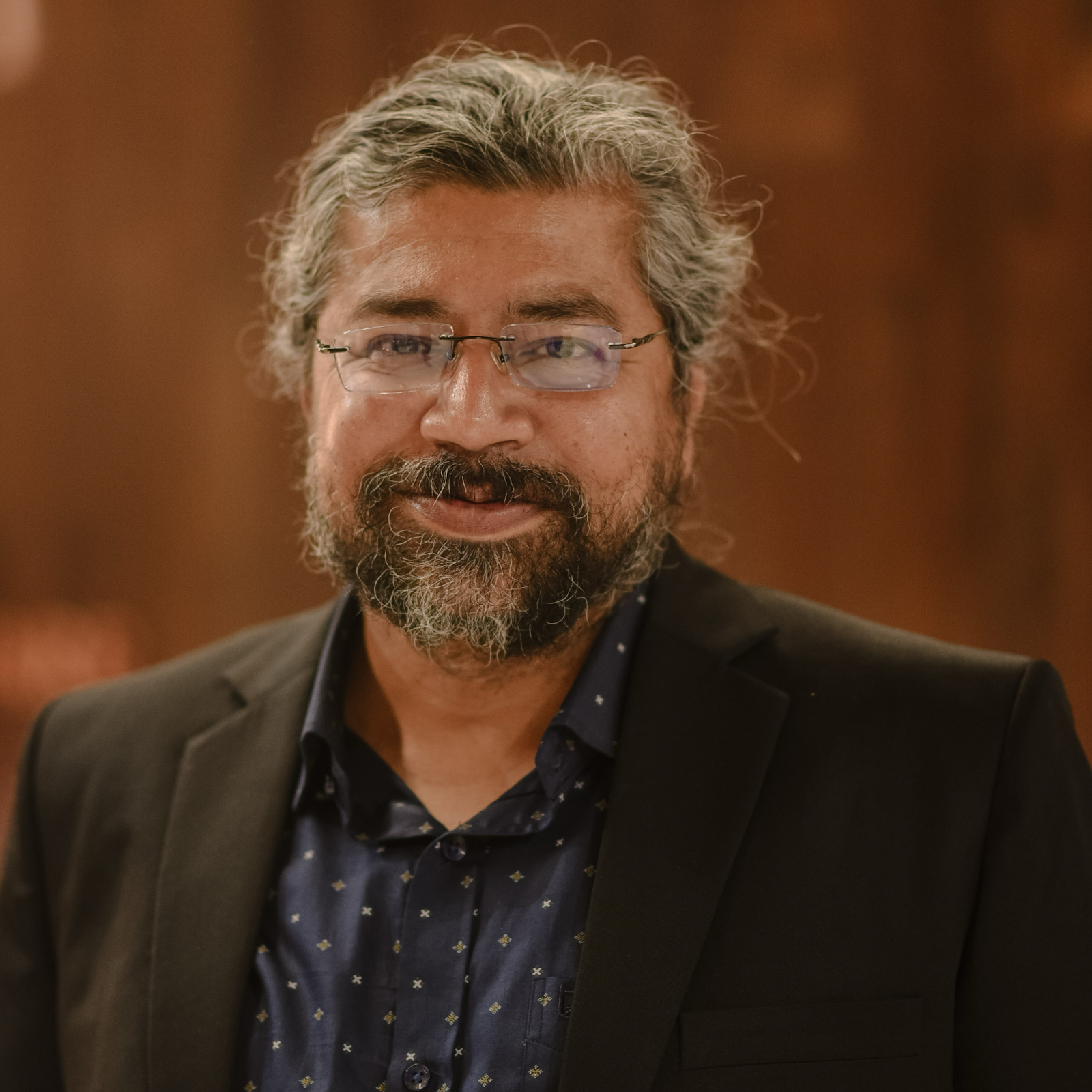
Dr. M Tasdik Hasan
PhD Researcher, Action Lab, Faculty of Information Technology, Monash University, Melbourne, Australia
Tasdik explores the landscape of digital mental health in Bangladesh & co-designs interventions for underserved communities (i.e., deaf communities) in his PhD research. He is a physician and global mental health researcher with two primary areas of contribution. The first is to generate mental health research evidence from low resource settings, which includes the burden of diverse mental health conditions, mental health support needs of underserved communities, and refugee mental health. His research draws on the theory of global mental health and complex systems thinking to promote health and wellbeing in LMICs. His second area of interest is policy advocacy, and he is actively using science communication theories partnering with media houses, relevant ministries and policy makers advocating for promoting mental health.

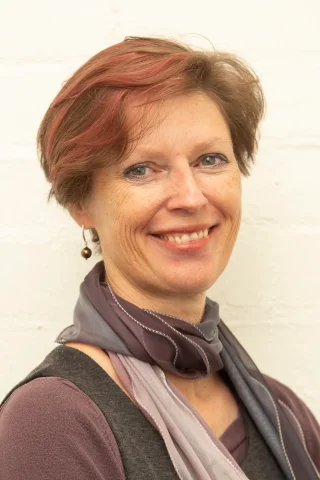
A/ Professor. Roisin McNaney
Associate Professor, Faculty of Engineering and Information Technology, University of Melbourne; Adjunct Associate Professor, Action Lab, Faculty of Information Technology, Monash University, Melbourne, Australia
Róisín is a cross-disciplinary digital health researcher at the intersection of healthcare and computer science. Her expertise is in co-design with health communities (designing digital technologies and services to support their needs) and the application of new and emerging technologies in health and care settings. She has particular expertise in brain and mental health.
Róisín is director of the CSIRO Next Generation of Graduates in AI in Mental Health program, which is exploring applications for AI in supporting the delivery of mental health services. The mission of this post-graduate research program is to address real world industry problems and enhance the provision of mental health support in Australia and beyond.
Dr. Md. Khalid Hossain
Research Fellow, Faculty of Information Technology, Monash University, Melbourne, Australia
Khalid is a Research Fellow in the Department of Human-Centered Computing, Faculty of Information Technology, where he conducts research on community and environmental informatics. With over 20 years of experience, he has held roles such as Programme Coordinator at IUCN and Economic Justice and Resilience Programme Manager at Oxfam. His work spans research, policy analysis, advocacy, and development programming in Bangladesh, along with research and teaching roles at Monash and RMIT Universities. He has published on topics including climate change, sustainability, natural resource management, governance, and ICT for Development.

Dr. Jessica Watterson
Senior Lecturer, School of Health and Social Development, Deakin University; Adjunct Senior Research Fellow, Department of Human-Centred Computing, Faculty of Information Technology, Monash University, Melbourne, Australia; Adjunct Senior Research Fellow, Jeffrey Cheah School of Medicine and Health Sciences, Monash University Malaysia
Dr Jessica Watterson is a Senior Lecturer in Digital Health at Deakin University and also an adjunct Senior Research Fellow at Monash University Malaysia and Australia. Her research focuses on the design and evaluation of digital health technologies, particularly for underserved communities. Prior to joining Monash, Jessica contributed to the human-centered design of health innovations at IDEO, and previously worked with the World Health Organization, Oxfam, Medecins Sans Frontieres/Doctors Without Borders and other health-related organizations. Jessica earned her PhD in Health Policy and her Master of Public Health from University of California, Berkeley, and her Bachelor of Arts in Biochemistry at New York University.

Dr. Manika Saha
Design Global Health and Health Systems Research Fellow, Department of Design, Monash Art, Design, and Architecture (MADA), Monash University, Melbourne, Australia
Dr Manika Saha is a public health practitioner and human-centric design-for-development researcher. Manika works at the nexus of community development (focusing on disadvantaged communities), engaging a wide range of stakeholders (from policymakers to communities) for inclusive governance and participatory decision-making (like for technology and project commissioning).
She engages with diverse and interconnected issues, including international development and evaluation, gender, humanitarian, climate change, and global health challenges such as nutrition, food systems, food insecurity, mental health, non-communicable diseases, and health systems, all of which are integral to advancing sustainable global development. Manika uses participatory design and action research approaches to understand marginalized community challenges in the real world and co-design solutions with diverse stakeholders where community voices stay at the central point of decision-making (such as programs, policies, and technologies).
Dr. Natasha Layton
Senior Research Fellow; Rehabilitation, Ageing & Independent Living (RAIL) Research Centre, Faculty of Medicine, Nursing and Health Sciences, School of Primary and Allied Health Care, Monash University, Melbourne, Australia
Natasha Layton is an occupational therapist practising, researching and teaching in the areas of assistive technology (AT), disability, and outcomes. She researches and presents locally and nationally in Australia with a range of consumer groups, government and the nonprofit sector. Dr Layton is a member of the World Health Organisation (WHO) AT Roster of Consultants, and has represented Australian Standards as the Australian expert to the ISO TC173/SC2 on Assistive Products, for the last decade. She is a founding member of the Global Alliance of Assistive Technology Organisations (GAATO) on behalf of Australia’s peak body for AT, ARATA. Dr Layton's PhD study concerned the costs and outcomes of disability support in Australia. Her research interests include the relationship between practice-based evidence and evidence-based practice, and the nexus between research, policy and practice.
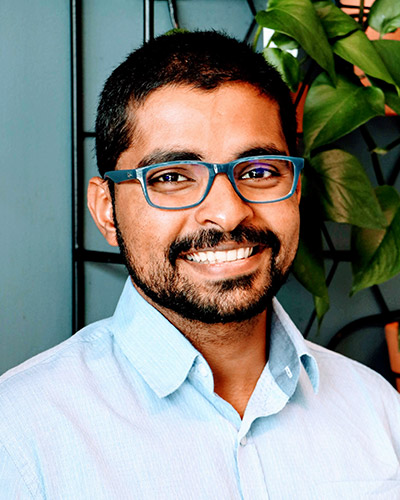
Dr. Delvin Verghase
Senior Lecturer, Action Lab, Faculty of Information Technology, Monash University, Melbourne, Australia
Delvin Varghese is a Senior Lecturer within the Action Lab in the Department of Human-Centred Computing at Monash University. His research focuses on the design of technologies for nonprofits and community organisations to support community voice and inclusion. Often relying on co-design and participatory methods, Delvin works with government bodies and nonprofits both in Australia and overseas, to design more equitable digital processes for community development. International collaborations include work with Oxfam, Caritas Nepal, and Red Cross societies (e.g. Indonesia, Namibia, Egypt, Honduras etc.). He has conducted fieldwork and worked on projects in countries in Asia, Africa, South America, Europe and Australia. Within Australia, he has active partnerships with nonprofits that work with marginalised communities and state government bodies such as Victoria’s Department for Premier and Cabinet (DPC) and Department for Families, Fairness and Housing (DFFH).
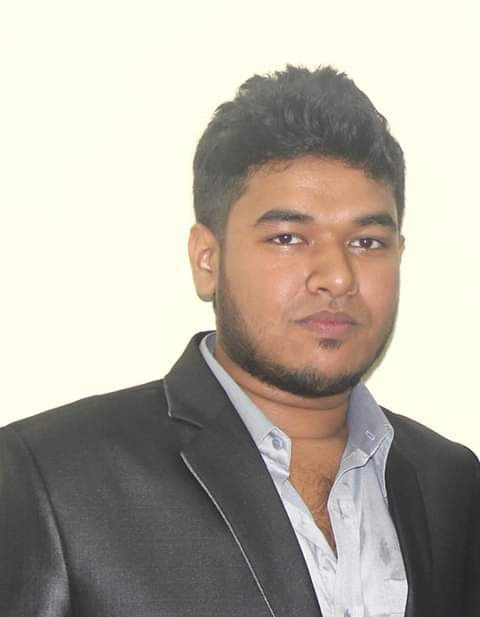
Jahirul Islam
CEO and Founder, Team Inclusion Bangladesh Foundation, Dhaka, Bangladesh
Jahirul Islam is a disability rights advocate with over 12 years of experience promoting accessibility and inclusion in Bangladesh. As Founder and Executive Director of Team Inclusion Bangladesh Foundation, he leads efforts to break down barriers and create equal opportunities for people with disabilities. Drawing from 26 years of lived experience, Jahirul is a leader in Disability Inclusive Development, shaping policies, raising awareness, and supporting communities. He is a Fellow of the Duskin Leadership Training (Japan), an SDG 16 Leadership alumnus (Swedish Institute), and holds a degree in Social Protection from Bonn-Rhein-Sieg University.
Jahirul also serves as an Executive Member of the Commonwealth Children and Youth Disability Network and is a Bridge Alumni of the International Disability Alliance. His work extends to disability-inclusive disaster risk reduction and climate action. Through advocacy, inclusive programs, and community-driven initiatives, Jahirul is committed to empowering marginalised communities and advancing sustainable, disability-inclusive development.